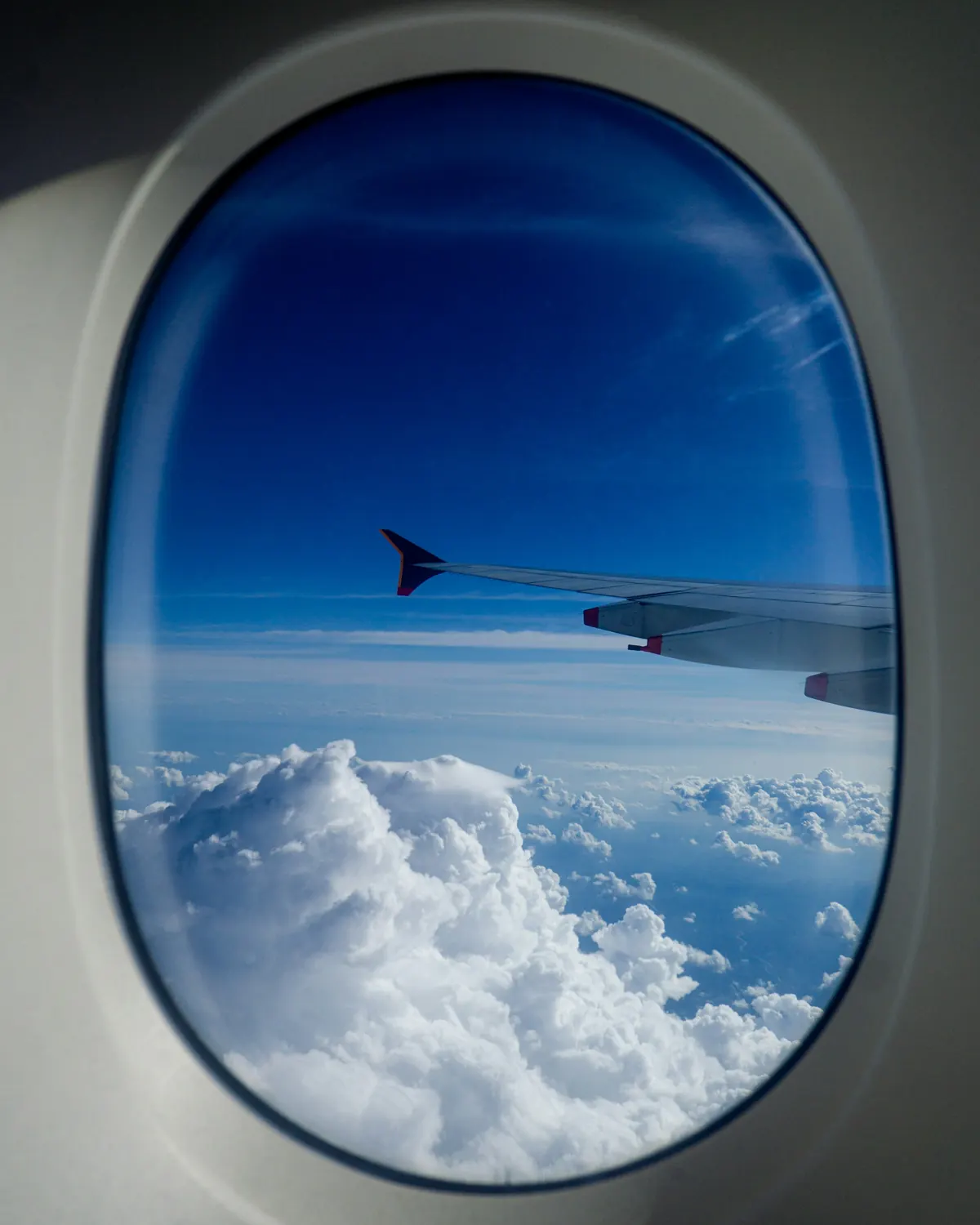
Right-size the aircraft
Book the smallest cabin that fits people and bags: a turboprop for short hops, a light jet for most trips under three hours.
Often 15–40% less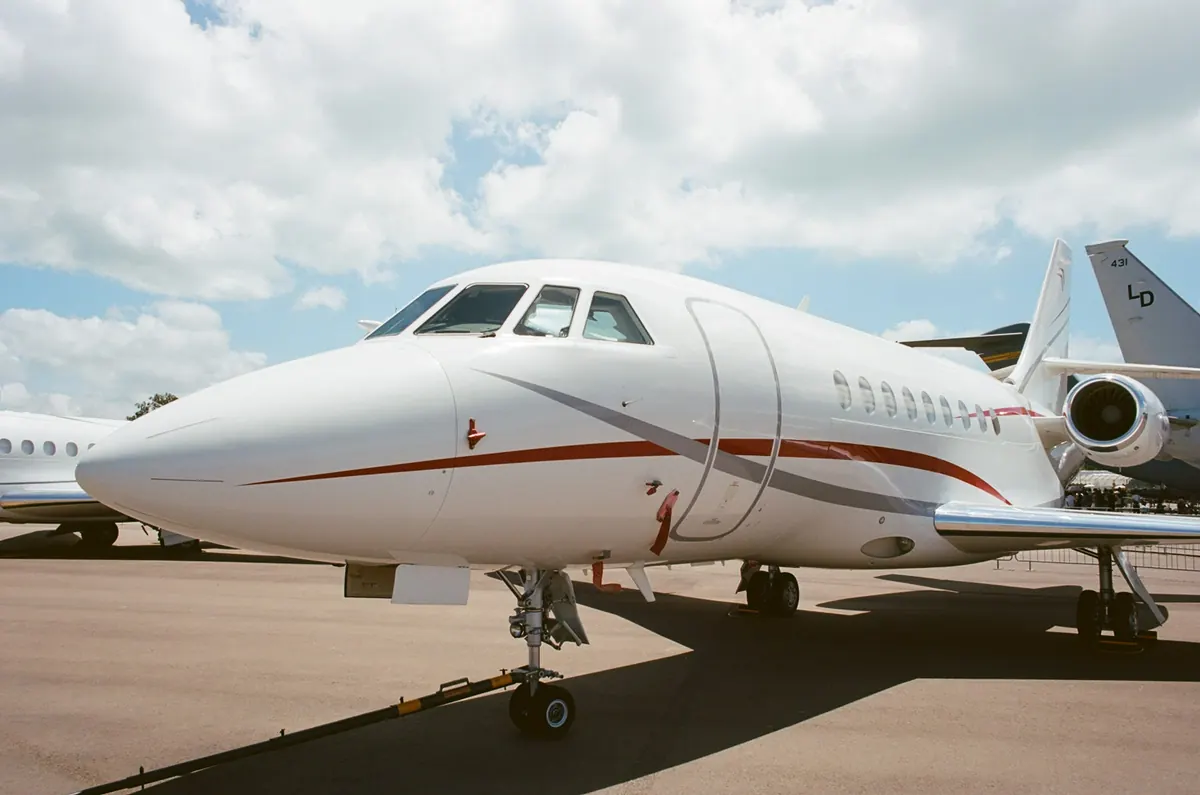
The right-sized aircraft, a flexible departure time and the occasional empty leg take real money off a charter. Tell us the trip and an advisor returns all-in options from FAA Part 135 operators.
There's no secret discount. Charter prices follow the aircraft you choose, when it flies and how far it has to travel empty. Each lever below is something your advisor checks on every request.
Book the smallest cabin that fits people and bags: a turboprop for short hops, a light jet for most trips under three hours.
Often 15–40% lessIf an aircraft is already where you are, you don't pay to bring it in. A few hours of give widens the options.
Often 5–15% lessHoliday weekends and Sunday-evening returns are when aircraft are scarcest. Moving a day can open lower-priced choices.
Often 5–15% lessOn longer trips, a smaller aircraft with a quick stop can undercut a larger one flying nonstop.
Often 10–25% lessA secondary field close to home can mean lower fees and a different set of aircraft based nearby.
Often 3–10% lessOne-way prices often include the aircraft's empty trip home. Matching an aircraft already headed your way removes it.
Often 10–35% lessDiscounted repositioning flights on a fixed route and time. They can be cancelled if the original trip changes.
25–75% less, when one fitsTick the levers that suit your trip and see a combined estimate.
Percentages are rough estimates against a standard quote for the same trip. They vary by route, season and aircraft availability, and they don't simply add up.
 One-way repositioning flight
When an aircraft flies empty to reach its next passengers or to return to base, the operator will often sell that leg for 25 to 75 percent less than a regular one-way.
When a known empty leg fits your dates, your advisor puts it next to the regular options so you can weigh the saving against the risk.
How one-way pricing worksMost of the price is the hourly rate of the aircraft. Matching the category to your party and distance is the single biggest saving available.

Pilatus PC-12, King Air 350
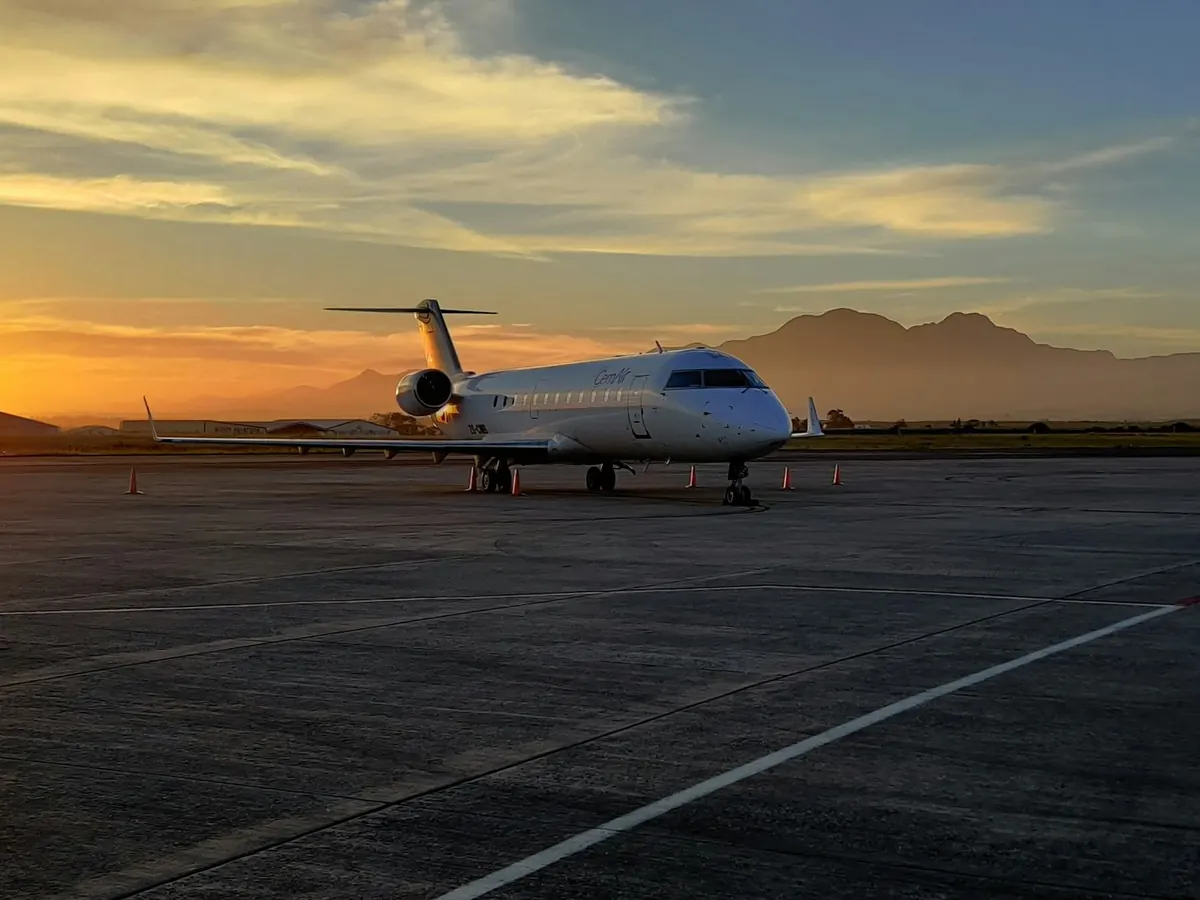
Phenom 300E, Citation CJ4, Learjet 75
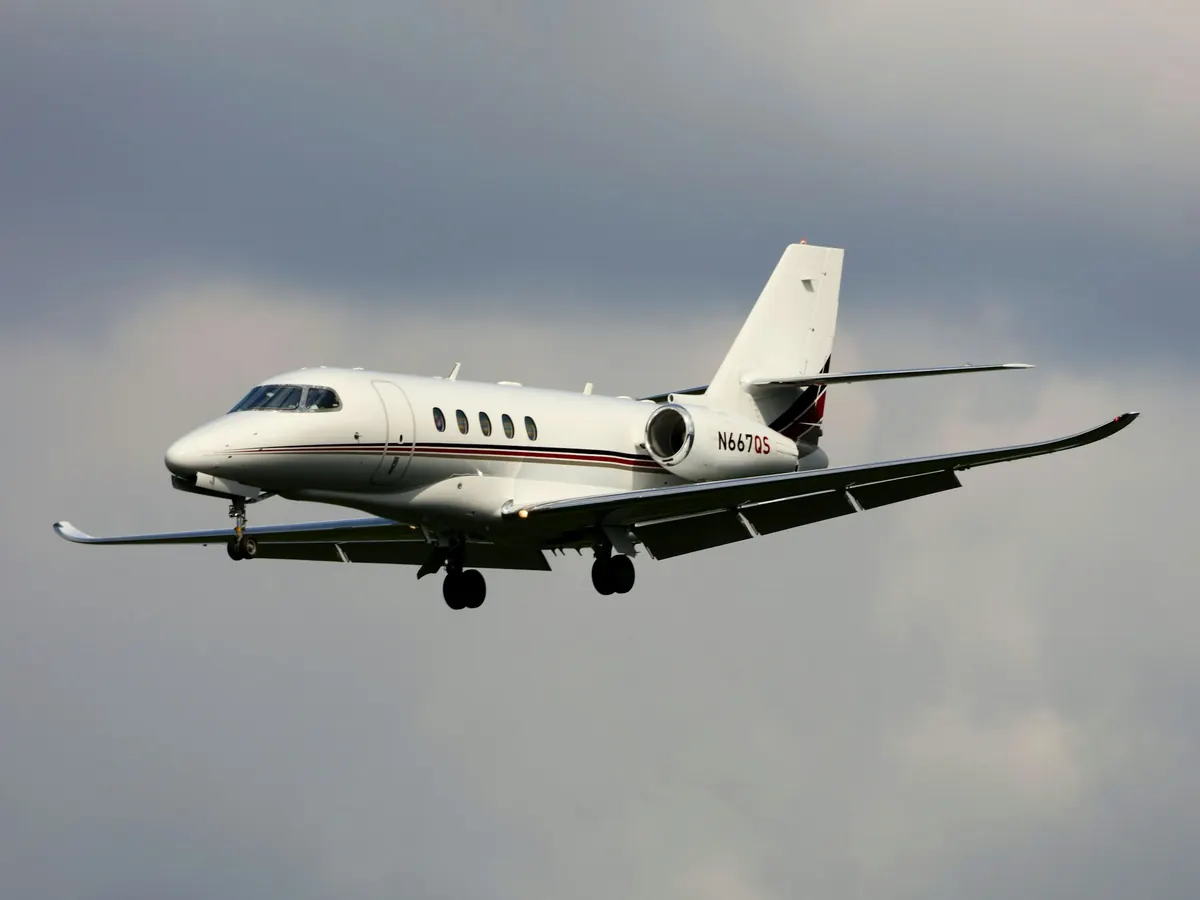
Citation XLS+
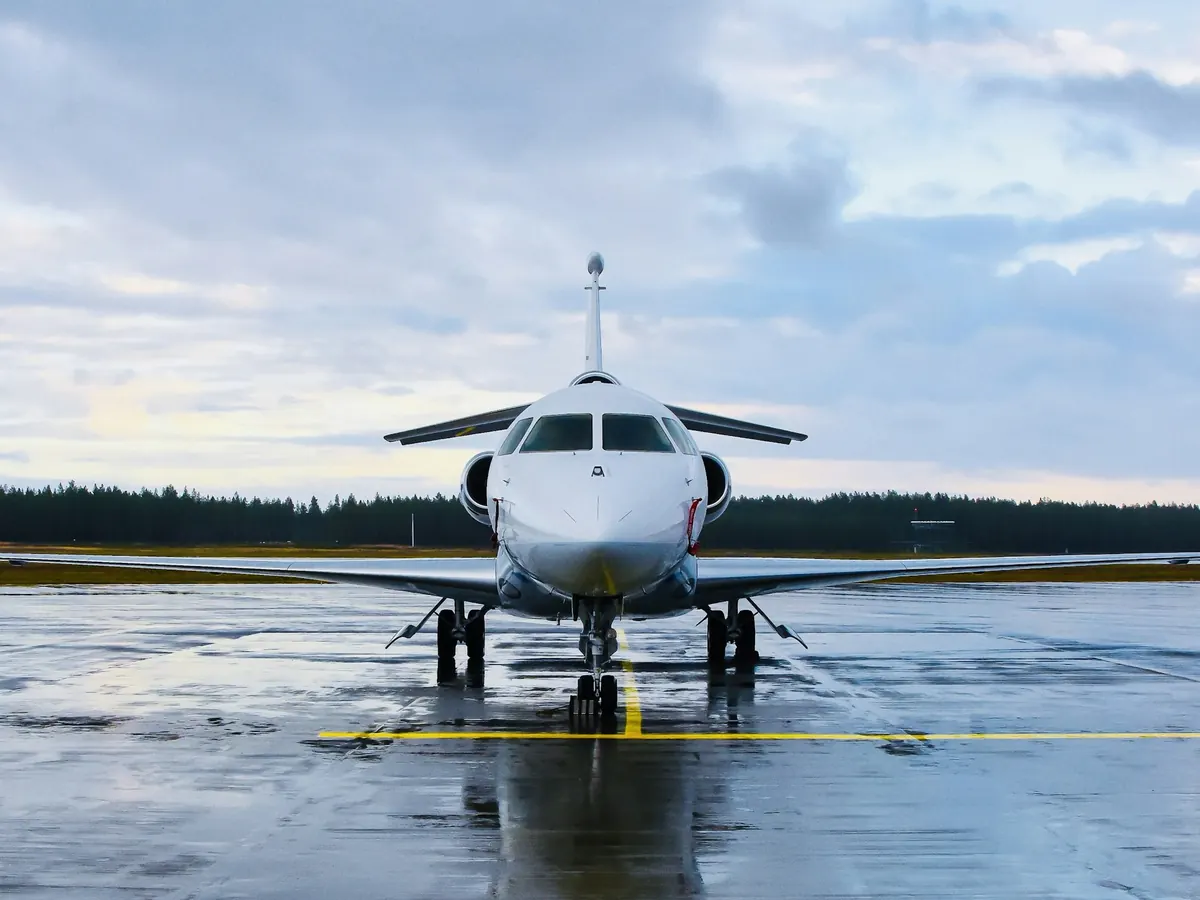
Challenger 350, Citation Longitude, Praetor 600
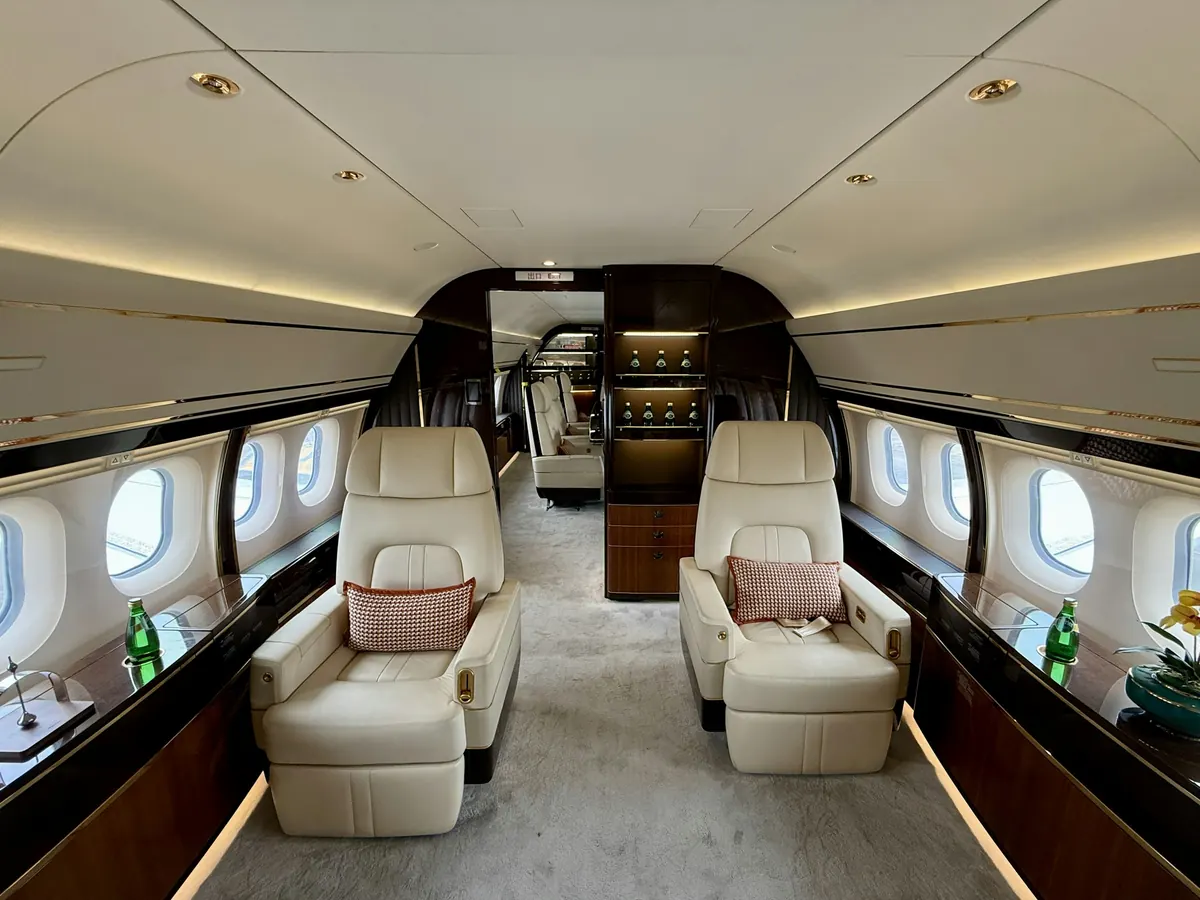
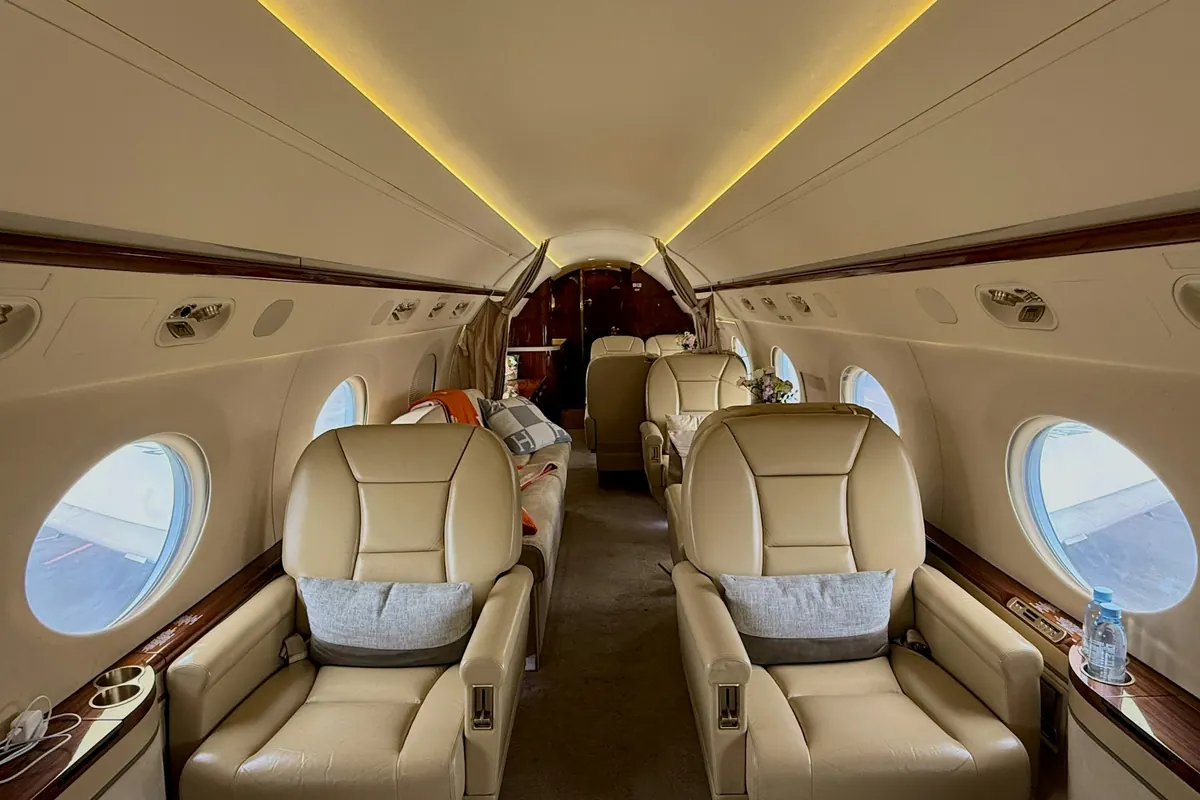
Gulfstream G450, Challenger 650, Falcon 2000LXS
Hourly figures are estimated US market ranges before tax and fees. Ranges are typical with reserves and vary by model, load and winds. Compare every category.
A short, clear process with one advisor and no obligation until you sign.
Route, dates, passengers and anything you're flexible on. Two minutes with the form above.
Usually two or three aircraft at different price points, each with the operator named and the total shown.
Approve an option, sign the charter agreement with the operating carrier's details, and pay as it sets out.
Your advisor confirms the terminal, crew and timings and stays with the trip until you land.
Flight times are approximate and depend on aircraft and winds. Pick a route to start a request with the airports filled in.
 About 2h 30m
TEB DJT
About 2h 30m
TEB DJT
The winter commute. A light jet seats six and is usually the efficient fit; leaving outside Friday afternoon widens the choice.
Price this route About 50 min
VNY LAS
About 50 min
VNY LAS
A short hop where a turboprop or light jet keeps the bill modest, and a same-day return avoids a crew overnight.
Price this route About 2h 45m to 3h
OPF TEB
About 2h 45m to 3h
OPF TEB
In spring, aircraft head north after the Florida season, which makes this a common route for empty legs.
Price this route About 1h 45m to 2h
DAL ASE
About 1h 45m to 2h
DAL ASE
Aspen limits aircraft size and peak-day slots. Eagle/Vail (EGE) or Rifle (RIL) can open more options for less.
Price this route Under an hour
HPN MVY
Under an hour
HPN MVY
A turboprop handles the island hop at a lower hourly rate than a jet, for roughly ten minutes more in the air.
Price this route About 2h
SDL SJD
About 2h
SDL SJD
An international trip: customs on arrival, passports for everyone, and the foreign fees shown in your quote.
Price this route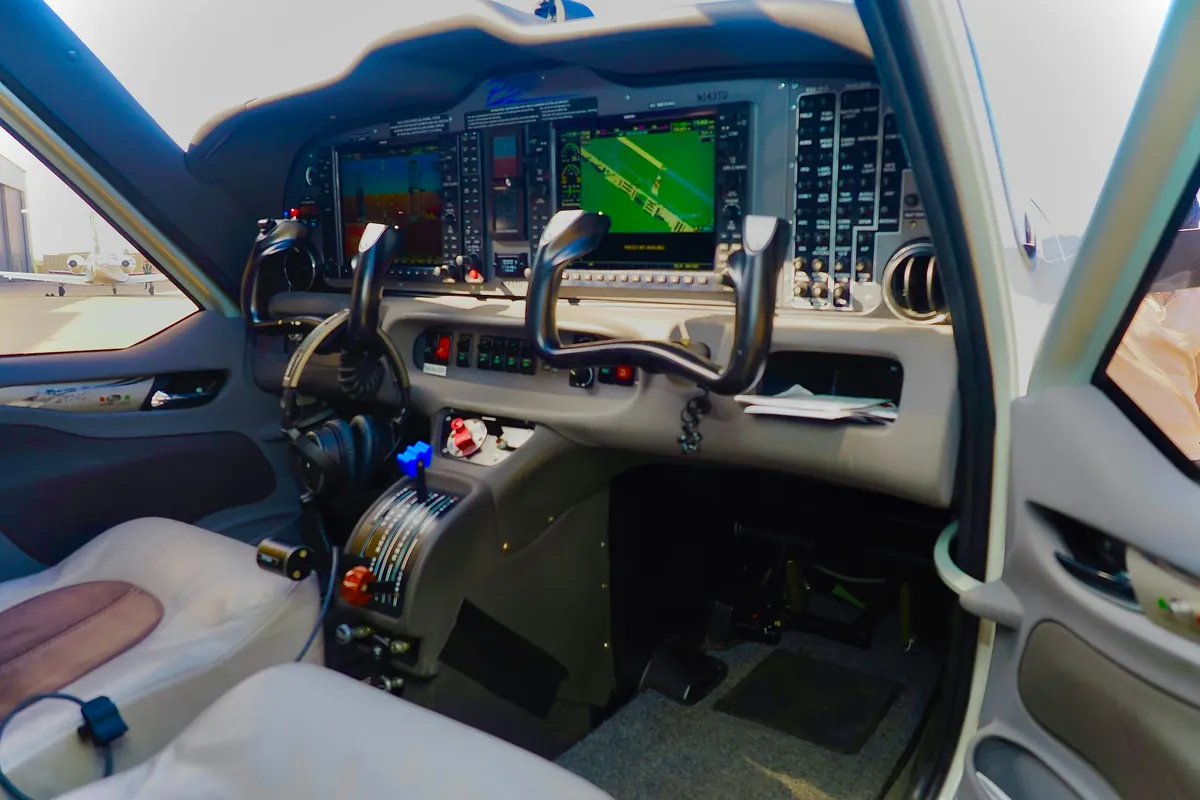
Every option comes from a direct air carrier operating under FAA Part 135, or the foreign equivalent abroad, and you see the operator's name before you sign.
The certificate US on-demand charter operators must hold, covering maintenance, crew training, duty and rest limits and operational control.
A third-party audit and rating of an operator's safety history and practices, graded Gold, Gold+ and Platinum.
An on-site audit standard covering safety management, maintenance records and pilot qualifications.
The international code of practice for business aviation, with operators registered at stages 1 to 3.
Can't find what you need? Read the full FAQ or add your question to a quote request.
For one to four people on a trip of under about three hours, a turboprop or light jet booked one way with some flexibility on timing is usually the lowest-cost option. An empty leg that matches your route can go lower still. For larger groups, one bigger aircraft split per person often costs less than two small ones.
Yes. Each option shows the aircraft, the operator, the flight time and a total that includes the 7.5% federal excise tax on domestic flights, segment fees, repositioning, crew overnights and landing and handling fees. Costs that depend on the day, such as winter de-icing, are listed with an estimate so nothing arrives as a surprise.
A one-way flight an aircraft has to make anyway, to reach its next passengers or return to base. Operators often sell it at 25 to 75 percent off. The route and time are fixed, and the leg can be cancelled if the original booking changes, so it suits travellers with a backup plan.
No. Requesting a quote is free and carries no obligation. You pay only after you choose an option and sign the charter agreement with the operating carrier's details.
A certificated direct air carrier operating under FAA Part 135, or the foreign equivalent abroad. Cheapest Way to Fly Private is the broker: we find and compare aircraft, and the operator holds operational control of every flight.
Many operators accept dogs and cats in the cabin, subject to their approval. Note the size and number of pets in your request; some ask for a crate or add a cleaning fee.
For holidays and big event weekends, as early as you can, because the best-priced aircraft are taken first. Short-notice trips are often possible as well. Availability, not the booking window itself, is what moves the price.
Short, practical reads on the decisions that change a charter quote. All tips
Why a PC-12 or King Air often beats a jet on trips under about 500 miles, and when it doesn't.
What a few hours or a day of give does to a charter quote, lever by lever.
Why a one-way charter can cost close to a round trip, and how to stop paying for empty miles.
Share the route, dates and party size. Your advisor compares aircraft and operators and comes back with all-in options at more than one price point.